
The taco is one of the most recognizable and beloved street foods on the planet. What once started as a simple corn tortilla filled with seasoned meat has evolved into a global culinary phenomenon.
In 2025, tacos are no longer tied to a single tradition — they have become a creative canvas for chefs around the world, blending cultures, flavors, and techniques.
A Brief History of the Taco
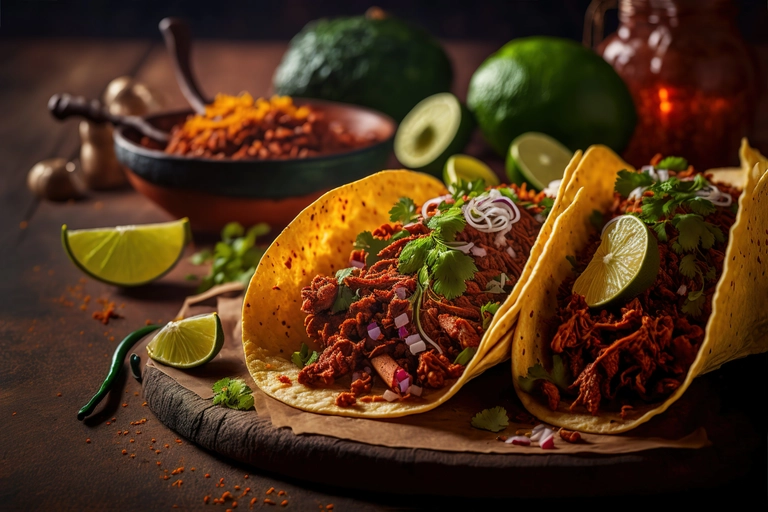
Tacos trace their roots back to indigenous Mexican communities, where tortillas served as edible utensils. Early tacos were filled with fresh fish, insects, or slow-cooked meats, depending on the region.
With time, tacos became central to Mexican identity, with every state offering its own version — from tacos al pastor in Mexico City to cochinita pibil in Yucatán.
This rich heritage laid the foundation for the taco’s global journey.
The Global Spread of Taco Culture
1 – Street Food Goes International
As Mexican cuisine gained popularity worldwide, tacos became the symbol of its flavorful simplicity. Food trucks in the United States, Europe, and Asia helped popularize the dish, introducing millions to the beauty of freshly made tortillas and vibrant toppings.
2 – The Rise of Fusion Tacos
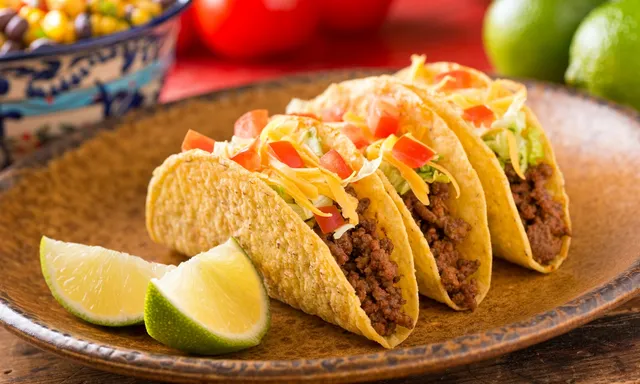
Chefs began experimenting with local ingredients, creating flavors that moved far beyond traditional Mexican fillings.
Some popular variations include:
- Korean BBQ tacos with bulgogi and kimchi
- Japanese-inspired tacos with tempura shrimp and spicy mayo
- Mediterranean lamb tacos with tzatziki
- Indian-spice chicken tikka tacos
These fusion creations expanded the taco’s identity and brought new audiences to the dish.
3 – Health-Conscious Trends
In recent years, tacos have adapted to global food trends such as plant-based diets and low-carb eating. Now it’s common to see:
- Vegetarian tacos with roasted vegetables
- Vegan tacos using jackfruit or tofu
- Lettuce-wrap tacos for gluten-free options
This flexibility helped tacos stay relevant for a wide demographic.
Traditional vs Modern – What Makes a Taco Today?
Traditional Taco Qualities
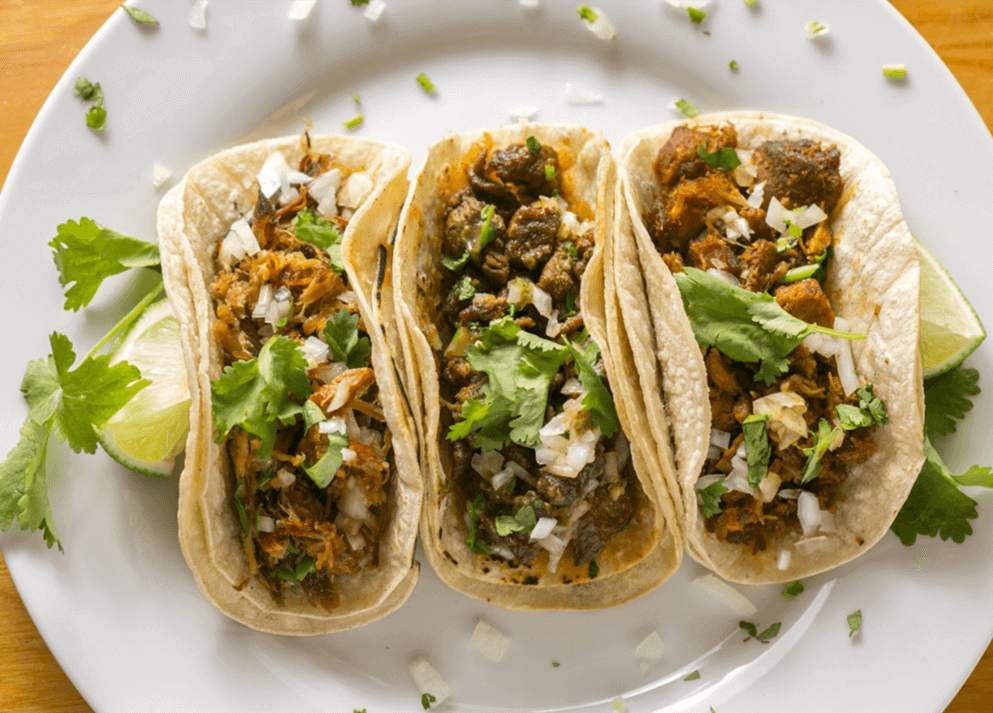
- Handmade corn tortillas
- Slow-cooked meats
- Fresh cilantro and onions
- Salsa varieties based on chilies and tomatoes
Modern Taco Innovations
- Tortillas made from spinach, beetroot, cheese, or seaweed
- Gourmet proteins like grilled octopus or wagyu beef
- Creative sauces inspired by global cuisines
- Artistic plating for restaurant dining
The shift reflects how tacos embraced both tradition and innovation.
Why Tacos Remain a Global Favourite
The modern taco thrives for several reasons:
- Versatility — It can be spicy, mild, vegan, meaty, simple, or gourmet
- Accessibility — Ingredients are easy to find worldwide
- Convenience — It’s perfect as quick street food or a premium restaurant dish
- Cultural storytelling — Every taco represents a blend of heritage and creativity
No matter the country, tacos fit perfectly into the rhythm of fast, flavorful, and fun dining.
The Taco’s Future – What to Expect in 2025 and Beyond
Food trends suggest exciting directions:
- More plant-based taco innovations
- Premium taco tasting menus in fine-dining restaurants
- AI-assisted and automated tortilla-making in modern kitchens
- Regional micro-trends like tropical-fruit tacos in Southeast Asia or Scandinavian seafood tacos
The taco’s evolution is far from over — it continues to absorb global influences while staying true to its Mexican heart.
Final Thoughts
From humble beginnings in Mexico to becoming a global sensation, the taco stands as one of the world’s most dynamic dishes.
Its evolution tells a story of culture, creativity, and shared love for bold flavors. Whether enjoyed from a street vendor in Mexico City or a modern fusion bar in Singapore, the taco remains a symbol of joyful, borderless cuisine.